
How Street Lighting Teams Work Safely on Live Roads
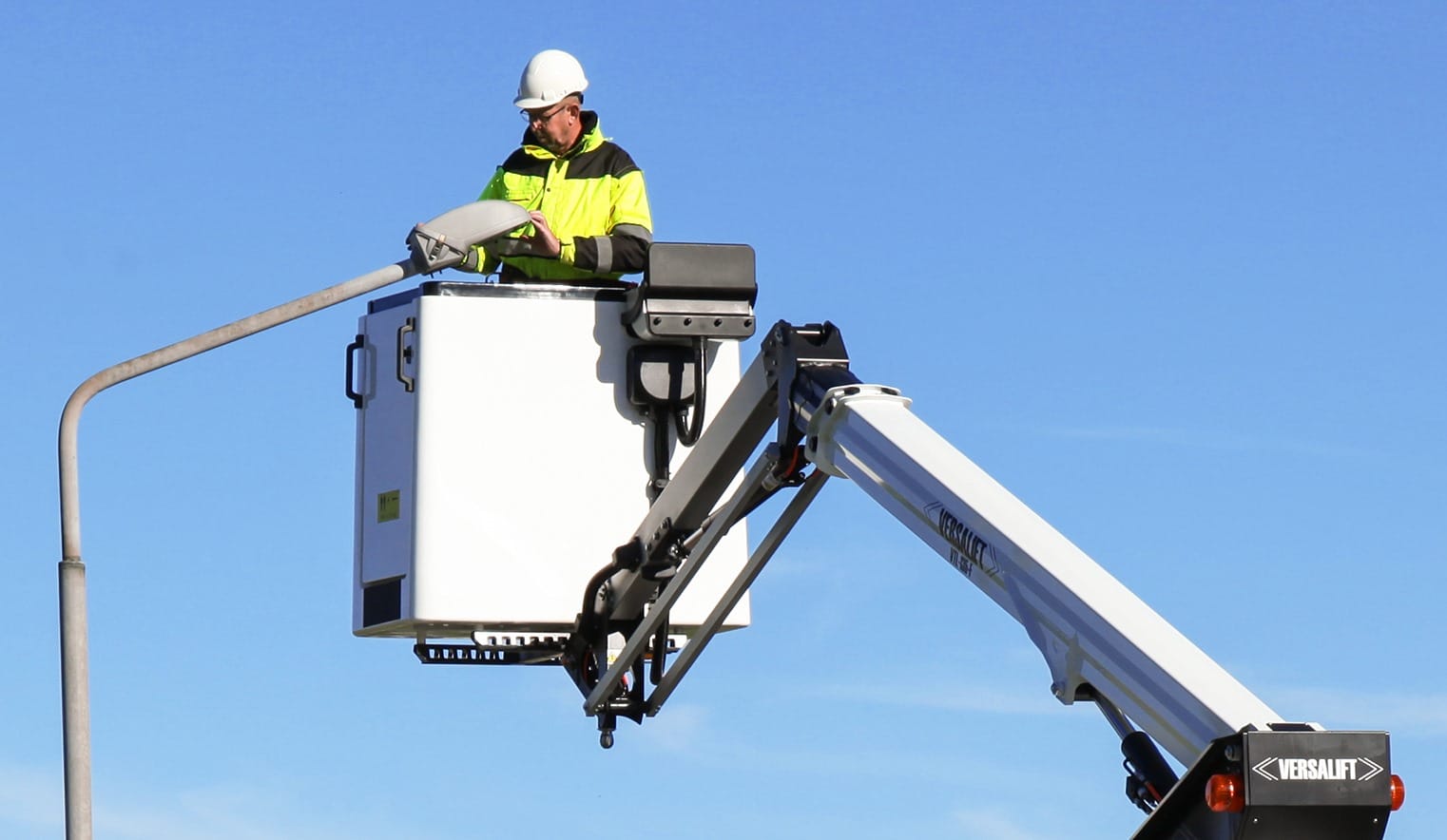
Working on street lighting is one of the most high-risk tasks carried out at height. Contractors and engineers are often operating just metres from live traffic, in low-light conditions, under time pressure and public scrutiny — all while maintaining infrastructure that communities rely on every day.
For street lighting teams, safety isn’t just about compliance. It’s about preparation, judgement, equipment reliability and trust — in the machine, in the process and in each other.
This is how professional street lighting teams work safely on live roads — and why it matters more than ever.
The Reality of Street Light Working on Live Roads
Street lighting maintenance rarely happens in controlled environments. Engineers are typically working on active carriageways, residential streets or major routes where traffic cannot simply be stopped or diverted.
Night work, poor weather, uneven ground and unpredictable road users all increase risk. Unlike off-road or depot-based access work, street lighting teams must constantly adapt to changing site conditions in real time.
This is why safety in street lighting isn’t static — it’s dynamic, situational and highly dependent on experience, planning and equipment performance.
Planning for Safety Before the First Cone is Laid
Effective safety on live roads begins long before a vehicle arrives on site. For experienced contractors, planning isn’t paperwork for compliance — it’s about reducing exposure to risk before work even starts.
Strong planning allows teams to anticipate hazards, minimise time spent on live carriageways and avoid rushed decisions once the job is underway.
Key elements of effective street lighting safety planning include:
-
Route and site-specific risk assessments
-
Traffic management planning and approvals
-
Coordination with local authorities and highways agencies
-
Consideration of visibility, lighting conditions and time of day
When engineers arrive on site knowing exactly how the job will unfold, confidence improves — and hesitation, error and unnecessary exposure are reduced.
Why The Right Platform Makes a Real Difference
On live roads, access equipment isn’t just a tool — it’s a critical safety system.
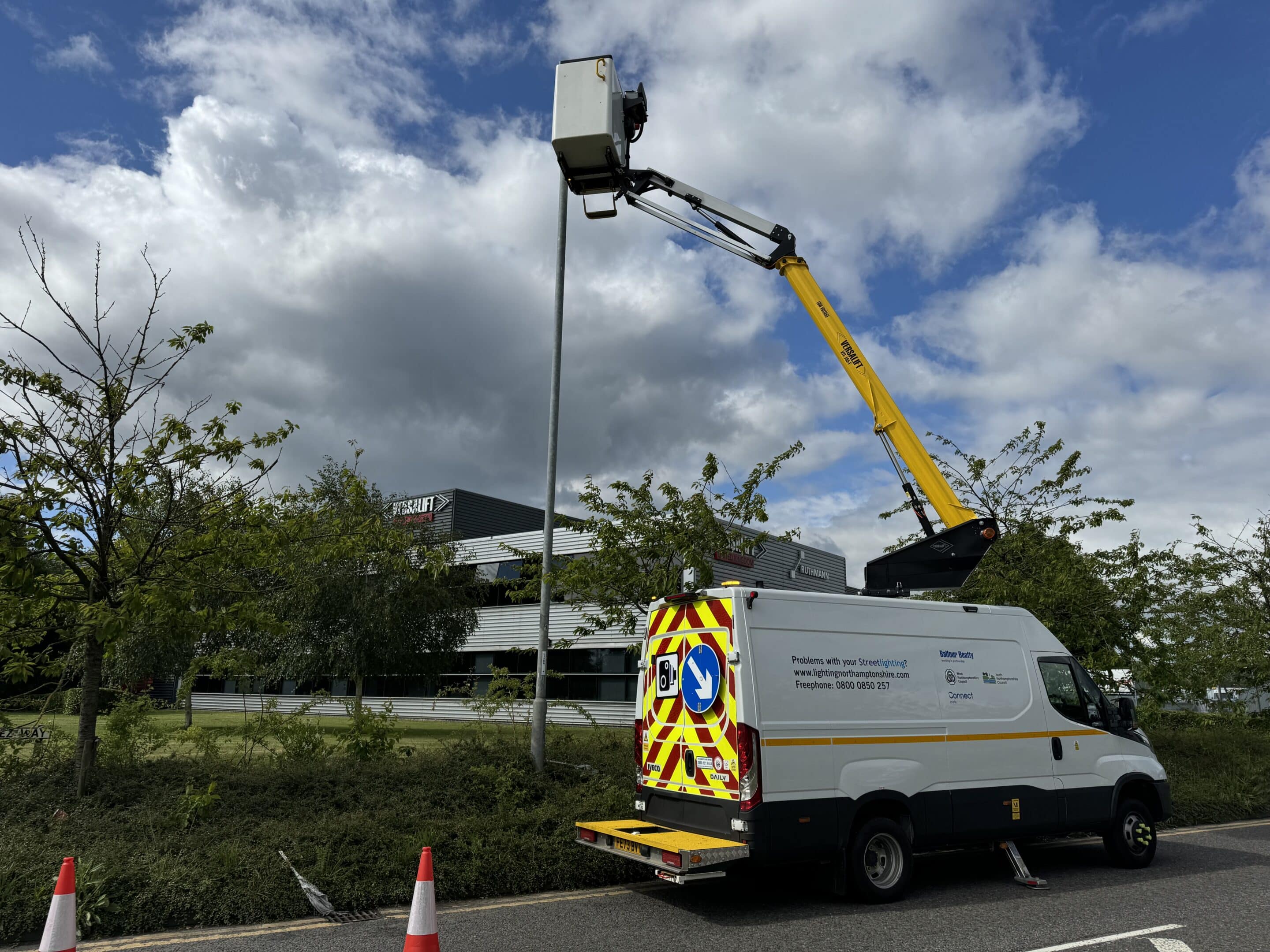
Street lighting teams rely on platforms that can be deployed quickly, stabilise securely in confined roadside spaces and perform predictably at height. Any delay or unexpected movement increases the amount of time engineers are exposed to passing traffic.
Platforms designed for street lighting applications help reduce risk by offering:
- Fast, efficient set-up in restricted roadside environments
- Stable operation on uneven or variable ground conditions
- Smooth, precise movement at height
- Intuitive controls that reduce operator fatigue and cognitive load
When engineers trust the machine, they can focus fully on the task — not on compensating for equipment limitations.

Versalift VTA-135-H
Pick-Up Mounted
Available on Isuzu and Toyota Hilux

Versalift VTL-135-F
Van-Mounted
Available on Ford, Iveco, and Ford E-Transit

Versalift VTL-140-F
Van-Mounted
Available on Renault Master

RUTHMANN RS 200
Chassis Mounted

RUTHMANN TBR 260
Chassis Mounted
The Role of Training in Live Road Safety
Why Experience Alone Isn’t Enough
Experience is invaluable in street lighting work — but it must be reinforced through structured training. Even highly experienced engineers benefit from refreshers that reinforce best practice and reflect changes in equipment, standards and operating environments.
Training helps engineers to:
- Recognise early warning signs in live road environments
- Make faster, safer decisions under pressure
- Operate access platforms correctly in challenging conditions
- Reduce the likelihood of operator error during night or adverse weather work
Well-trained teams don’t just react better — they prevent problems before they arise.
Building Confidence Through Familiarisation
When engineers are fully familiar with their access platform, work becomes smoother, safer and more efficient. Confidence in controls, movement and fault recognition reduces hesitation and unnecessary repositioning at height.
Ongoing familiarisation also allows engineers to identify issues early — before they become safety risks or cause delays in live traffic environments.
Safety Is More Than Compliance – It’s Professionalism!
For street lighting contractors and engineers, working safely on live roads is a mark of professionalism.
It protects people, reputations and public trust. It also supports long-term relationships with local authorities, highways bodies and clients who depend on reliable, responsible contractors.
At Versalift we work closely with street lighting teams to understand the realities of live road work — developing equipment, training resources and support structures that reflect how engineers actually operate in the field.
Because when the road stays live, safety has to work in the real world — not just on paper.
Frequently Asked Questions
How do street lighting teams work safely on live roads?
Street lighting teams work safely on live roads through detailed planning, effective traffic management, reliable access equipment, strong communication on site and ongoing training. These measures reduce exposure to traffic risk while allowing engineers to work efficiently at height.
Why is working on live roads considered high risk for lighting engineers?
Live roads introduce moving traffic, unpredictable public behaviour, low visibility and time pressure. When combined with working at height, these factors significantly increase risk if not carefully managed.
What type of access platform is best for street lighting work?
Street lighting work typically requires vehicle-mounted access platforms designed for roadside environments. These platforms allow fast set-up, stable operation in confined spaces and precise control at height, helping engineers minimise time spent beside live traffic.
Why is training important for street lighting contractors?
Training helps engineers recognise hazards, operate platforms correctly, respond to changing conditions and avoid errors — particularly during night work or adverse weather. Even experienced engineers benefit from regular refresher training.
How does good planning improve safety on live roads?
Training helps engineers recognise hazards, operate platforms correctly, respond to changing conditions and avoid errors — particularly during night work or adverse weather. Even experienced engineers benefit from regular refresher training.
Follow us for our latest news, advice and products.