
Is Working Height Really the Most Important Factor When Choosing an Access Platform?

When choosing an access platform, the conversation often starts with one question: How high can it reach?
It’s understandable. Working height is one of the most recognisable specifications in the access industry, and often one of the first things buyers compare when evaluating different machines.
But what if we’ve been focusing too much on height?
After all, reaching the required height doesn’t necessarily mean reaching the right position.
For operators working around buildings, trees, and other obstacles, the ability to manoeuvre into position can be just as important as how high the platform can reach.
So, when choosing an access platform, should we be looking beyond the headline working height?
Working Height Only Tells Part of the Story
Working height is an essential consideration when selecting a mobile elevating work platform (MEWP). It indicates the maximum height at which an operator can work, based on the manufacturer’s specified measurement.
However, working height alone doesn’t tell you whether a machine can reach a particular working position.
Imagine two access platforms, both offering a 20-metre working height.
On paper, their capabilities might appear similar. But if one offers greater horizontal outreach or more flexible boom articulation, the difference in how those machines can be positioned on site could be significant.
Consider an operator carrying out maintenance on a building. The required working height might be 15 metres, but what happens if the vehicle cannot be positioned directly beneath the work area?
Perhaps there are parked vehicles, landscaping, pedestrian areas or other obstacles preventing access.
Suddenly, the question isn’t simply how high the platform can reach.
It’s whether the platform can reach the required position safely and efficiently from an available setup location.
That’s where horizontal outreach and boom configuration become particularly important.
Why Horizontal Outreach Deserves More Attention
Horizontal outreach refers to how far an access platform can extend horizontally from its specified reference point.
It’s a specification that can sometimes be overshadowed by working height, despite its importance in real-world applications.
For example, consider some of the challenges operators regularly encounter:
- Building maintenance: Reaching rooflines, façades and gutters where positioning directly below the work area isn’t possible.
- Tree maintenance: Accessing branches while working around trunks, canopies and surrounding obstacles.
- Street lighting: Reaching lighting columns while positioning the vehicle in an appropriate location.
- Telecommunications: Accessing equipment mounted on poles or structures where ground-level obstructions restrict vehicle positioning.
- Infrastructure maintenance: Working around barriers, structures and other obstacles that complicate direct access.
In each of these situations, working height is important, but horizontal outreach can play an equally significant role in determining whether the machine is suitable.
However, maximum outreach isn’t available at every working height or in every operating configuration.
This is why understanding a machine’s working envelope, rather than comparing maximum figures in isolation, is essential.
It’s Not Just About Reaching the Job. It’s About Positioning for It.
There’s another consideration that deserves attention: how easily an operator can position the platform once it’s elevated.
Reaching the general work area is one thing. Positioning the platform accurately for the task is another.
An operator might need to move around an obstacle, approach a structure from a particular angle or reposition the platform several times throughout a job.
This is where boom configuration becomes important.
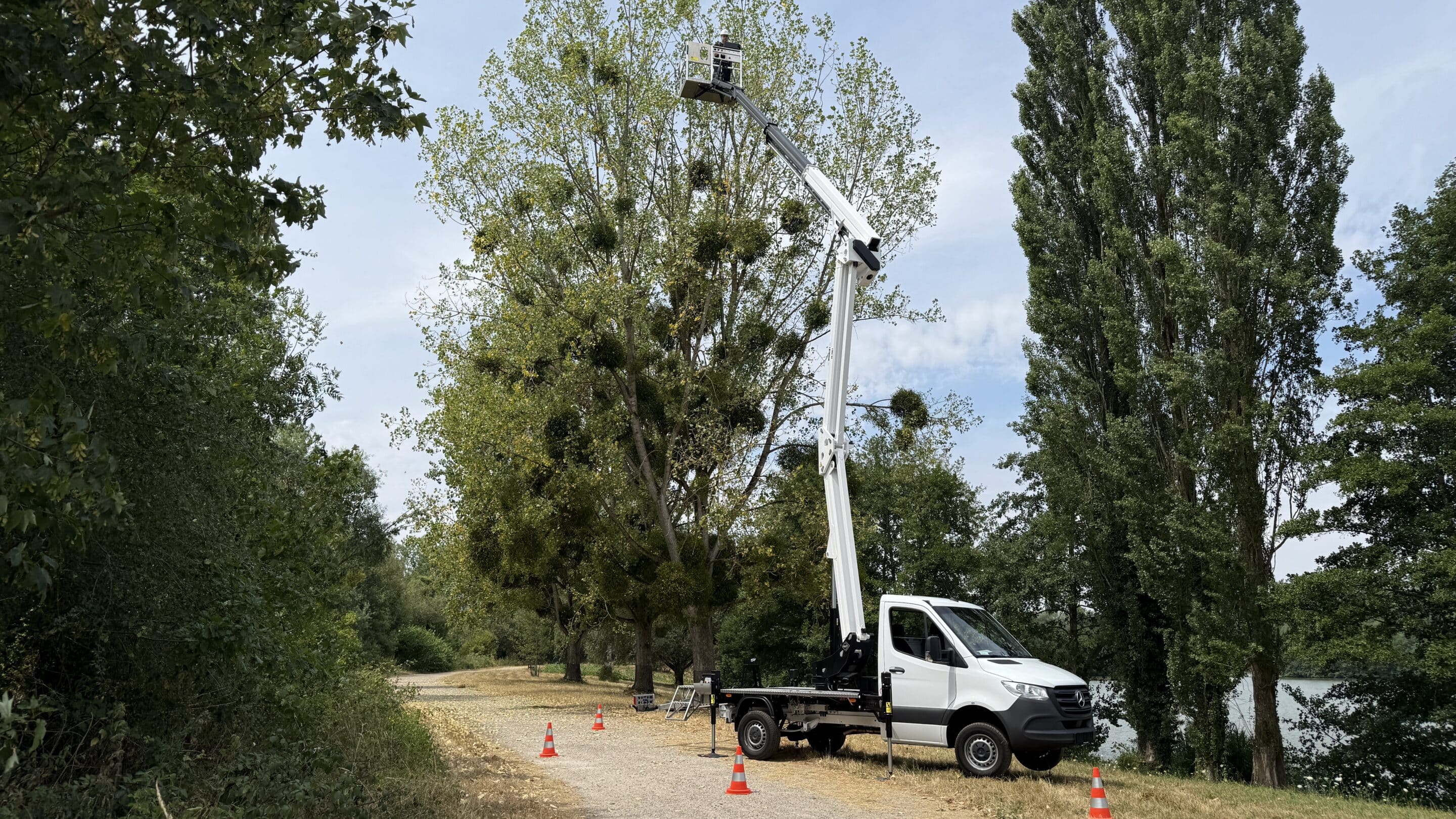
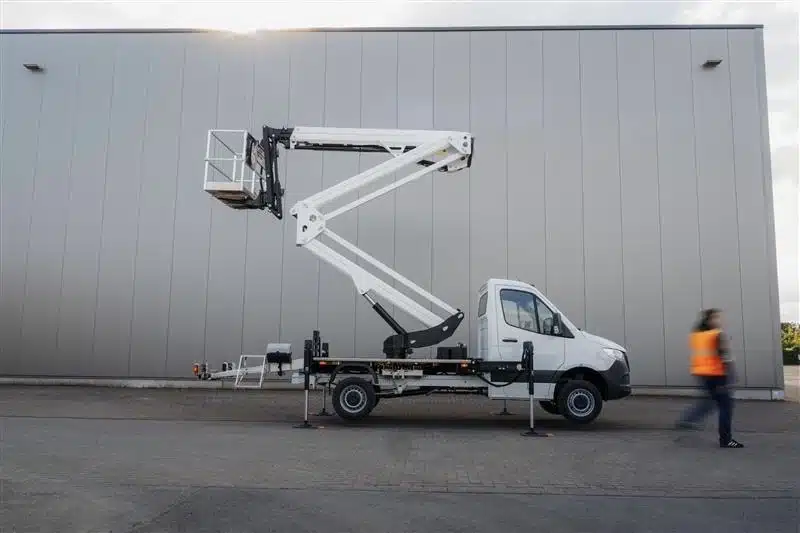
Articulated access platforms use multiple boom sections and joints to provide additional positioning flexibility. Depending on their design, they can allow operators to work up and over obstacles that would otherwise make access difficult.
A jib can provide an additional degree of movement, helping operators make more precise adjustments when approaching the working area.
Of course, articulated platforms aren’t automatically the best choice for every application. Telescopic platforms, for example, can be particularly effective where direct, extended reach is required.
The important point is that the right boom configuration depends on the work being carried out, not simply the maximum height required.
Could Better Positioning Improve Productivity?
For businesses operating access equipment every day, efficiency matters.
Whether maintaining infrastructure, repairing buildings or carrying out routine inspections, the objective is to complete work safely while making effective use of available time and resources.
And the suitability of an access platform can influence how efficiently that work is carried out.
Consider a job where several areas of a building need attention.
If the chosen platform cannot reach each working position from an appropriate setup location, the operator may need to lower the boom, reposition the vehicle and repeat the setup process.
Depending on the site, this could mean additional time spent establishing safe working areas, managing traffic or pedestrians and preparing the machine for operation.
A platform with a suitable combination of outreach and articulation may allow operators to access more working positions from a single setup location.
That doesn’t eliminate the need for careful planning, but it highlights an important consideration.
Productivity isn’t simply about how quickly a platform can reach its maximum height. It’s about how effectively it allows operators to complete the work once they’re there.
The VA-200-F: When Positioning Matters as Much as Height
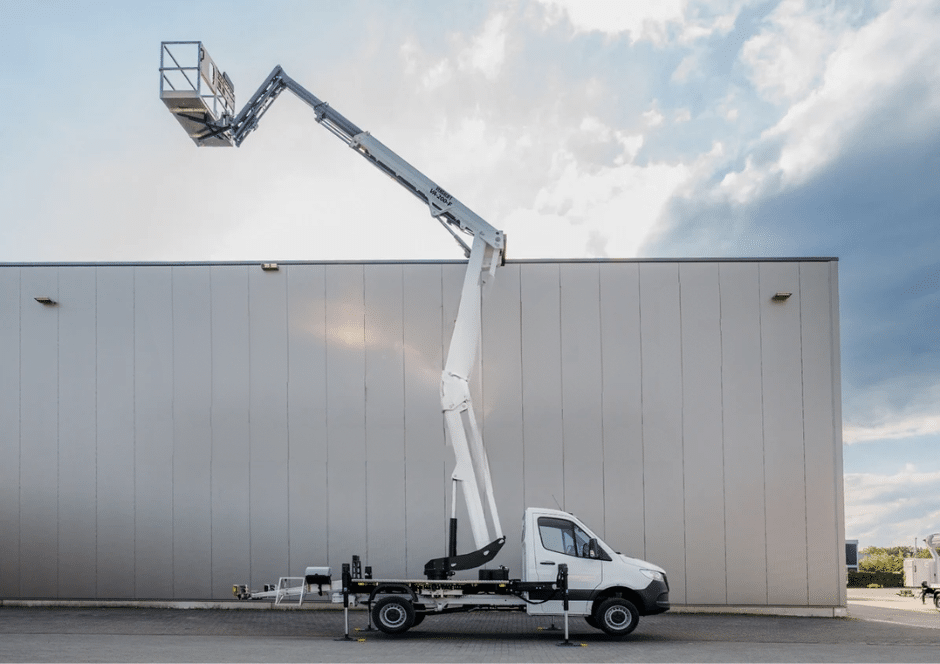
This focus on positioning is reflected in the design of the Versalift VA-200-F, an articulated access platform within the new V-Range.
Offering a 20-metre working height and up to 10.4 metres of horizontal outreach, the VA-200-F combines reach with an articulated boom configuration designed for working around obstacles and accessing difficult-to-reach areas.
Its articulated boom with jib provides additional positioning flexibility, while the three-stage telescopic boom extends its reach.
The platform also incorporates Versalift’s XPC control system, allowing up to four simultaneous movements for smooth, controlled operation.
For operators, this combination can be particularly valuable when working around buildings, trees, street furniture and other structures where straightforward vertical access isn’t possible.
Built on a 3.5-tonne chassis, the VA-200-F also brings these capabilities into a vehicle category that can be driven by holders of a standard Category B licence, subject to applicable licence entitlements and vehicle requirements.
But the significance of the VA-200-F isn’t simply its specifications.
It’s how those specifications work together to address the practical challenges operators encounter on site.
Choosing the Right Access Platform: What Should You Consider?
Working height will always be an important part of selecting an access platform. However, it shouldn’t be the only factor influencing the decision.
Before choosing a machine, it’s worth considering a few additional questions.
Where will the vehicle be positioned?
Consider the available space, ground conditions, surrounding obstacles and any restrictions that could affect vehicle positioning or stabiliser deployment.
How far does the platform need to reach horizontally?
The distance between the vehicle and the working area may be just as important as the height of the task. Always consult the manufacturer’s working envelope to establish the available outreach at the required height and platform load.
Are there obstacles between the platform and the working area?
Buildings, trees, overhead structures and other obstructions may influence whether an articulated or telescopic configuration is more appropriate.
Will the operator need to access multiple working positions?
Consider whether the platform can reach the required areas from a suitable setup location or whether frequent vehicle repositioning may be necessary.
What are the wider operational requirements?
Vehicle weight, platform capacity, operator familiarisation, maintenance requirements and fleet compatibility can all influence which machine represents the most practical investment.
Ultimately, selecting the right platform requires an understanding of the work being carried out and the environment in which the equipment will operate.
So, Is Working Height Really the Most Important Factor?
The answer is that it depends on the job.
For some applications, maximum working height will be the deciding factor. For others, horizontal outreach, articulation and positioning flexibility may be equally important.
A platform with an impressive working height offers little practical benefit if it cannot safely reach the required working position.
And a machine with a lower maximum height may be better suited to a particular application if its working envelope and configuration provide more effective access.
Perhaps the question shouldn’t be, “How high can this platform reach?”
Perhaps it should be:
“How effectively can this platform help us reach the places we need to work?”
Because when it comes to choosing the right access equipment, it’s not just about reaching new heights.
It’s about reaching the right places.
Discover the Versalift VA-200-F
Designed for applications where flexibility and precise positioning matter, the Versalift VA-200-F combines a 20-metre working height, articulated boom configuration and up to 10.4 metres of outreach.
Whether you’re expanding your fleet or exploring equipment for a particular application, our team can help you identify the most suitable access platform for your requirements.
Follow us for our latest news, advice and products.



Our office
Versalift United Kingdom Limited
1 Altendiez Way, Latimer Park
Burton Latimer, Kettering
Northants, NN15 5YT
Terms & Conditions of Sale | Privacy Policy | Cookie Policy | Copyright © 2026 Versalift United Kingdom Limited