
Winter Safety Checklist for Operators: Reducing Risk, Downtime & Damage
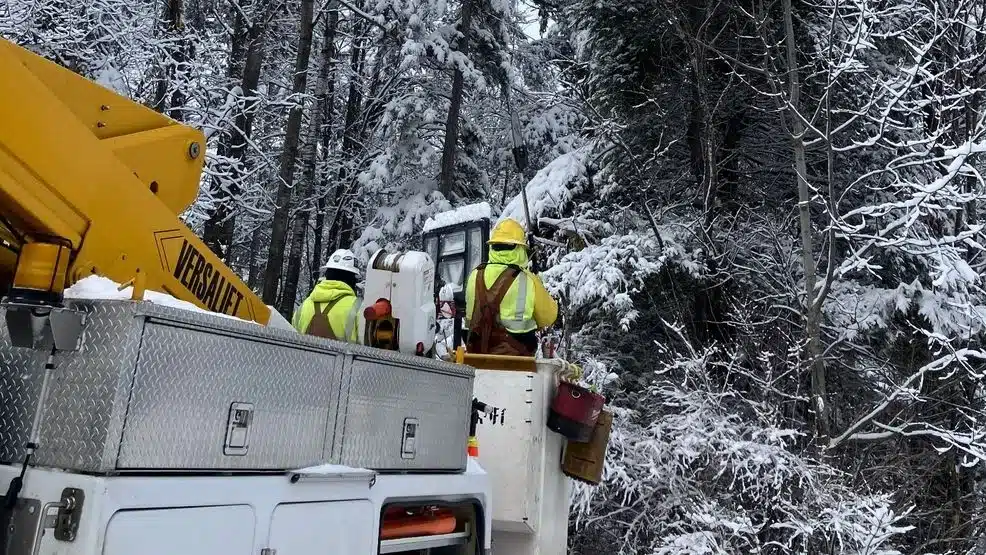
When the temperature drops and the weather turns unpredictable, working at height demands even greater focus on safety, planning, equipment care and operator awareness.
Cold conditions, ice, reduced daylight and harsher road conditions can increase risk — and put pressure on teams who are already working hard to keep the UK moving.
This practical winter checklist is designed to help operators, fleet managers and engineers reduce avoidable downtime, prevent unnecessary damage and stay safe throughout the winter season.
Why Winter Safety Matters for MEWP Operators
Weather Conditions Increase Risk
Icy platforms, strong winds, freezing rain and low temperatures all impact:
-
Boom stability
-
Hydraulic performance
-
Traction and jacking
-
Visibility and operator control
Unplanned Downtime Has a Cost
When a platform goes offline due to preventable issues, it affects:
-
Job completion
-
Customer confidence
-
Fleet utilisation
-
Cost of repairs and call-outs
A few minutes of preparation can save hours — or even days — of lost productivity.
Winter MEWP Safety Checklist
Below is a practical list to integrate into your daily routine.
Before You Set Off
- Perform a full vehicle walk-around, checking:
-
- Tyre pressure and tread
- Windscreen condition
- Lights and wipers
- Mirrors and cameras
- Clear ice and snow fully — including the roof of the vehicle
- Check screen wash is winter-strength
- Fuel or charge to capacity — winter drains power faster
- Plan your route, avoiding roads likely to flood or freeze
MEWP Pre-Operation Checks
- Check for hydraulic leaks — cold temperatures can expose seals
- Confirm full battery or PTO readiness
- Inspect outriggers and pads for damage or contamination
- Ensure de-icing salt, mud and grit are not obstructing moving parts
Top tip: Wipe down handrails and control panels before use — ice build-up is often invisible in low light.
On Site: Safe Set-Up
- Check ground stability — frozen surfaces can thaw unexpectedly
- Use outrigger pads on soft or uncertain ground
- Assess wind speed, particularly if gusty or near buildings
- Avoid working under ice-covered power lines or tree limbs
If conditions worsen, pause operations until safe to continue.
Operator Safety Essentials
- Wear insulated gloves with grip for safe control handling
- High-visibility layers for low-light working
- Waterproof boots with deep tread
- Headlamp or additional lighting if needed
Remember: cold stress increases accidents — take breaks to warm up.
Shutdown and End-of-Day Routine
- Check for ice or moisture inside the bucket and controls
- Clean down areas likely to freeze overnight
- Stow boom correctly and remove snow build-up
- Park on level ground where possible
- Consider undercover or sheltered parking
A well-maintained vehicle overnight is faster and safer to operate in the morning.
Prevent Damage: Protecting Your Machine
Hydraulics & Oils
Cold can thicken fluids, affecting:
- Speed of lift movement
- Smoothness of operation
- Component wear
Ensure proper servicing intervals and winter-grade lubricants if recommended.
Electrical & Batteries
Low temperatures:
- Reduce battery efficiency
- Slow charging cycles
- Increase drain from lighting and auxiliary systems
If performance drops noticeably, book a professional check.
When To Stop Work
If you experience any of the following, stop operations and review safety:
- Unstable platform or footing
- Unexpected wind gusts
- Ice observed forming on rails or bucket floor
- Electrical or hydraulic warning lights
- Frozen control systems
It’s always safer to pause than push through uncertain conditions.
7 Winter Maintenance Tips to Keep Your Access Platform Running Smoothly
Proper maintenance not only helps prevent breakdowns but ensures your safety and reliability throughout the winter season.
Read our blog on “7 essential maintenance tips to keep your access platforms in top condition this winter.”
Support From Versalift
Operating safely in winter comes down to preparation, awareness and routine checks.
With the right approach, teams stay safe, businesses avoid costly downtime, and platforms last longer — whatever the weather brings.
Regular maintenance and annual LOLER inspections keep your fleet safe and winter-ready.
Versalift UK offers:
- LOLER testing
- Preventative servicing
- Nationwide field support
- Operator familiarisation
- Parts and replacement components
If you need help preparing your fleet for winter, contact our Customer Support Team.
Follow us for our latest news, advice and products.