
The Hidden Cost of Choosing the Wrong Access Platform
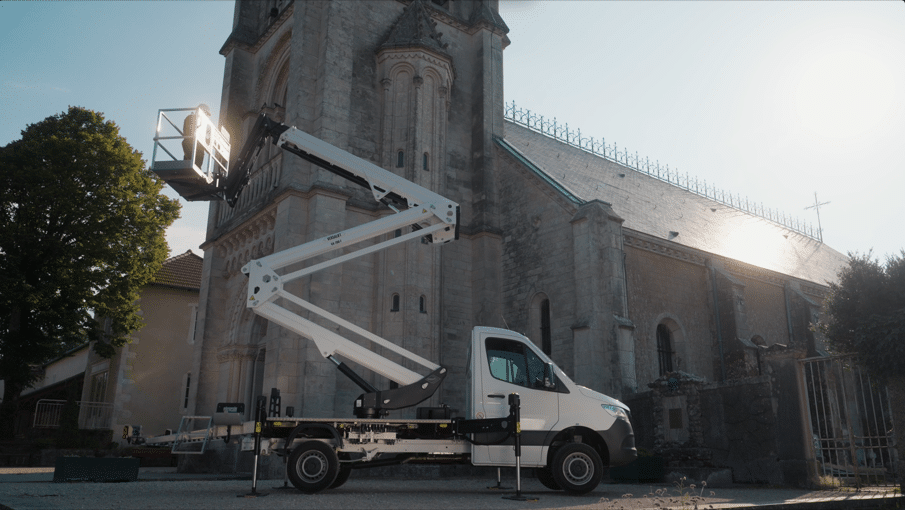
Is the cheapest access platform really the most cost-effective? When investing in a new vehicle-mounted access platform, the initial purchase price is often one of the biggest considerations. But focusing on price alone could mean overlooking the hidden costs that can have a much greater impact over the machine’s working life.
From downtime and setup times to maintenance and operator productivity, these hidden costs can quickly add up, making the true cost of an access platform far greater than its initial price tag.
So, what should businesses really consider before making an investment?
The Hidden Costs of Access Platform Ownership
The purchase price is only one part of the overall investment. Total cost of ownership (TCO) considers the costs associated with purchasing, operating, maintaining and eventually replacing an access platform.
Two machines with similar working heights may have very different long-term operating costs.
Factors that can influence total cost of ownership include:
- Maintenance and servicing: The frequency, complexity and cost of keeping a machine operational.
- Downtime: Lost productivity when equipment is unavailable due to repairs or maintenance.
- Setup time: The time required to position and prepare the platform before work can begin.
- Operator efficiency: How easily and effectively operators can complete their tasks.
- Parts availability: Access to replacement components when maintenance or repairs are required.
A lower initial purchase price may seem attractive, but if the machine requires more maintenance, takes longer to operate or is poorly suited to the job, those savings can quickly disappear.
How Much Does Downtime Really Cost?
When an access platform is out of service, the cost isn’t limited to the repair itself.
For businesses working in utilities, telecommunications, street lighting or facilities maintenance, an unavailable machine can mean delayed jobs, disrupted schedules and reduced productivity.
Consider a platform that experiences repeated technical issues. Even relatively short periods of downtime can create additional costs through rearranged appointments, idle operators and lost working hours.
This is why reliability, serviceability and access to technical support should be important considerations when choosing an access platform.
The most cost-effective machine isn’t necessarily the cheapest to buy. It’s the one that consistently supports your business in getting the job done.
Why Setup Time and Productivity Matter
When choosing an access platform, it’s easy to focus on specifications such as working height and outreach. However, as we explore in our article, Is Working Height Really the Most Important Factor When Choosing an Access Platform?, the highest working height doesn’t always mean the machine is the best fit for the job. How efficiently the platform can be used throughout the working day is equally important.
For operators completing multiple jobs across different locations, setup time can make a significant difference.
A machine that is straightforward to position, stabilise and operate can help reduce the time spent preparing for each task.
Similarly, intuitive controls and practical machine design can help operators work more efficiently.
Over weeks, months and years, even small improvements in daily productivity can add up.
When comparing access platforms, businesses should consider not just what a machine can reach, but how efficiently it allows operators to work.
The Value of Standardisation Across a Fleet
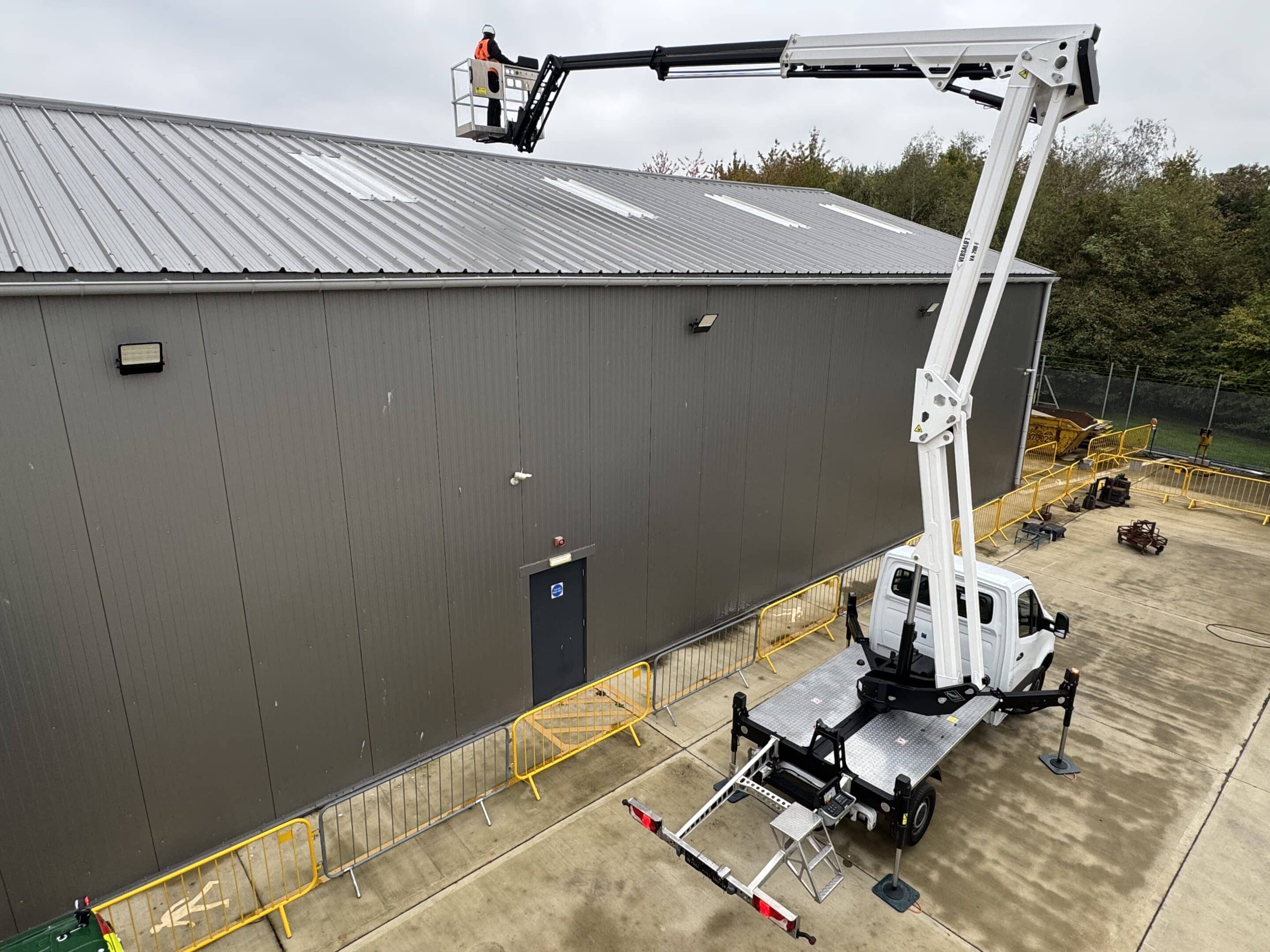
For businesses operating multiple access platforms, standardisation is another factor that can influence long-term efficiency.
A fleet consisting of machines with different control systems, components and operating procedures can introduce additional complexity.
Standardisation can help businesses simplify:
- Operator familiarisation and training
- Maintenance and servicing procedures
- Spare parts management
- Fleet management and operational consistency
This is particularly relevant for larger fleets, where consistency between machines can make everyday operations easier to manage.
How the New Versalift V-Range Supports Long-Term Value
At Versalift, we recognise that choosing an access platform is about more than working height or purchase price. It’s about finding equipment that supports the practical and commercial needs of a business.
The new Versalift V-Range has been developed around a standardised approach to design and operation.
Featuring seven models with working heights ranging from 17 to 27 metres, the 3.5-tonne V-Range brings greater consistency across the product family.
With a unified XPC system and standardised hydraulic and electrical systems, the range has been designed to simplify operation and support a more consistent approach to maintenance.
For businesses managing multiple machines, this shared design philosophy can help reduce complexity across the fleet.
Rather than viewing each access platform as an individual purchase, the V-Range encourages businesses to consider how equipment fits into their wider operations.
Discover the new Versalift V-Range and explore the models available.
What Should You Consider Before Buying an Access Platform?
Before making a purchasing decision, it’s worth asking a few important questions:
- Is the platform suitable for the tasks our operators carry out most frequently?
- How much time will operators spend setting up and operating the machine?
- How straightforward will maintenance and servicing be?
- Will the machine integrate efficiently into our existing fleet?
- What are the likely operating costs over its working life?
Considering these questions alongside working height, outreach and purchase price can help businesses make a more informed investment.
Looking Beyond the Price Tag
Choosing the right access platform isn’t simply about finding the lowest price or the highest specification.
It’s about understanding how the machine will perform in everyday working conditions and the value it can deliver throughout its operational life.
A well-matched, reliable and efficient access platform can help businesses reduce unnecessary costs, support productivity and make better use of their investment.
The real question isn’t just how much an access platform costs to buy. It’s how much it costs your business to own and operate.
Explore the new Versalift V-Range to see how standardised design and practical engineering can support your fleet requirements.
Frequently Asked Questions
What is the total cost of ownership of an access platform?
Total cost of ownership includes the initial purchase price alongside ongoing expenses such as maintenance, servicing, repairs, operating costs and downtime throughout the machine’s working life.
Why is the cheapest access platform not always the best choice?
A lower purchase price doesn’t necessarily mean lower long-term costs. Reliability, maintenance requirements, operator efficiency and suitability for the intended application can all influence the overall value of an access platform.
How can standardisation improve access platform fleet efficiency?
Standardised controls, components and operating procedures can help simplify operator familiarisation, servicing and fleet management, particularly for businesses operating multiple access platforms.
Follow us for our latest news, advice and products.



Our office
Versalift United Kingdom Limited
1 Altendiez Way, Latimer Park
Burton Latimer, Kettering
Northants, NN15 5YT
Terms & Conditions of Sale | Privacy Policy | Cookie Policy | Copyright © 2026 Versalift United Kingdom Limited